
ITAD and Data Destruction

TLDR: Old IT equipment sitting in storage isn’t just clutter. With the right IT asset recovery services, businesses can unlock hidden value, protect sensitive data, and keep electronics out of landfills. Refurbishing, resale, and responsible recycling all help companies save money, generate returns, and support a greener future. Most businesses have a “tech graveyard.” Maybe…
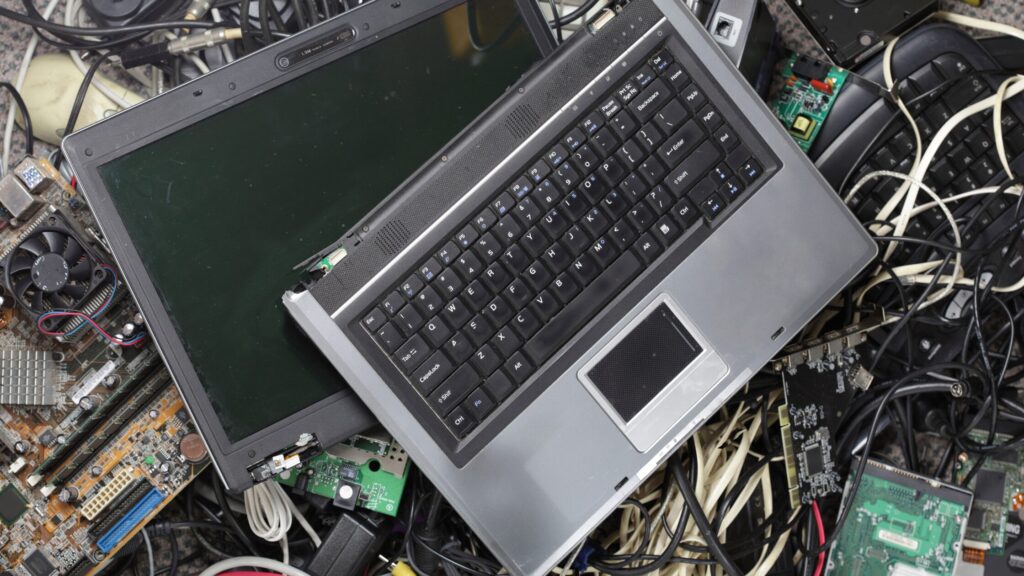
TLDR: When business technology becomes outdated, you have two options: sell valuable equipment to recover costs or recycle responsibly to protect the environment and comply with regulations. Regardless of your choice, secure data destruction is mandatory. This guide helps you maximize value while minimizing risk. Your company’s technology infrastructure drives daily operations, but every device…

TLDR: What is ITAD? IT asset disposition is the secure, professional disposal of business technology that protects sensitive data while recovering value from old equipment. Why it matters: Improper IT disposal can trigger massive data breaches, regulatory fines up to 4% of revenue, and environmental penalties. Professional ITAD eliminates these risks while often generating cash…

TLDR: What to look for: State certifications (R2, NAID), proper insurance, chain of custody documentation, and industry-specific compliance experience. Critical questions: Can they handle your data sensitivity level? Do they provide witnessed destruction? What’s their environmental policy? Can you track assets 24/7? Local advantage: California ITAD providers understand state regulations, offer faster response times, and…

Sensitive data doesn’t truly disappear when you delete files. Even after wiping or reformatting, valuable information remains vulnerable on old hard drives. Without secure disposal, businesses and individuals risk exposing confidential data to identity theft, corporate espionage, or legal consequences. Professional destruction eliminates these risks, protecting you from data breaches and potential complications. Our company…

A data breach can happen in various ways. For example, the use of technology benefits the productivity and efficiency of an establishment, but it also makes it easier for cyber thieves to find sensitive information from a remote location. The majority of data breaches, however, are a result of physical theft of data storage electronics…
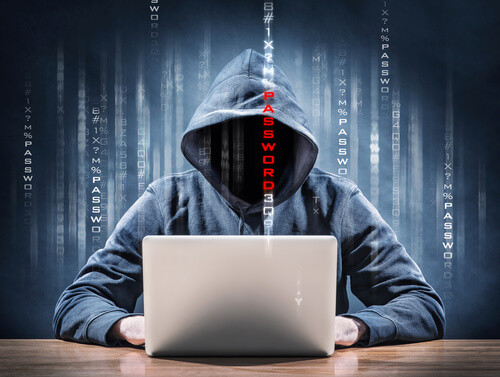
Anytime something is saved on a computer, mobile phone, or other electronics, the data is stored in the hard drive of the device. Many people believe that doing a digital reset or deleting old files will remove their information and keep it safe, but that is not always the case. Simply “wiping” an old hard…

Due to the increasing awareness of the impact that production processes have on the environment and the growing desire for green, eco-friendly business practices, many manufacturers have adopted reverse logistics operations. Reverse logistics is the reuse and recycling of valuable product components, moving goods from the consumer back to the manufacturer to glean recyclable elements…

In this digital age, hard drives and other electronic storage devices have become an increasingly popular way of storing data as businesses move towards a paperless environment. Once your electronic storage device reaches its end-of-life, the responsible thing to do is back-up the files then wipe it clean of its contents. Manually deleting files from…

Often a manufacturer’s expired, outdated, recalled, or damaged inventory ends up being resold online without proper authorization. Online commerce companies like Amazon and eBay do not have a screening process sophisticated enough to decipher what dealers are approved to sell certain products, making it difficult to know what vendors to trust. There are specific clues…